

Phil Castle, The Business Times
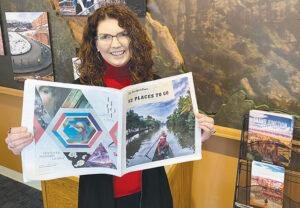
Elizabeth Fogarty deems the inclusion of Grand Junction in an annual go-to list of global destinations published in the New York Times a significant milestone in local efforts to promote travel and tourism. “It’s considered PR gold in the travel industry.”
But it’s only the latest media coverage to bring growing recognition to Grand Junction as well as growing awareness of a brand Fogarty has helped develop and promote in her nearly five years as director of Visit Grand Junction, the city’s destination marketing organization.
Grand Junction also was featured in a story published in May in the Wall Street Journal and was the subject of a five-page spread in the September issue of Red Bulletin, an international lifestyle magazine published by the Red Bull energy drink company. That’s not to mention stories in Forbes Advisor and Kiplinger’s Personal Finance ranking Grand Junction among the best places to live in Colorado and best places to retire.
By one measure for 2022, Grand Junction was included in 58 media placements worth the equivalent of nearly $3.3 million in paid advertising, Fogarty says.
Visit Grand Junction won the outstanding marketing program award presented at the Colorado Governor’s Tourism Conference last fall for three episodes about the Grand Valley that appeared on an Outside TV series and garnered more than 37 million views.
Fogarty expects the coverage to inspire increased travel to Grand Junction and spending in local hotels, restaurants and stores. That’s the point, she says, and it’s a consequential one.
Visitor spending accounts for about a third of city sales tax collections, a key indicator of retail activity. A recent study estimated outdoor recreation alone contributes more $484 million to the Mesa County economy and accounts for nearly 10,000 jobs.
Other efforts by Visit Grand Junction use data to deliver promotional messages to the right demographics at the right times. Using $1 million in American Rescue Plan funding, Fogarty expects the organization to share data with local businesses to help them market their products and services on social media and websites.
Other plans involve collaborations with local public land management organizations to help spread out mountain bikers and hikers on local trails while also directing more traffic to local businesses.
And with Grand Junction well positioned to take advantage of a number of national travel trends, Fogarty says she’s excited about the year ahead. “We’re optimistic about 2023.”
Grand Junction is the 45th destination in the New York Times list of 52 places to go in 2023 — between Madrid in Spain and La Guajira in Colombia. London tops a list that includes destinations around the globe offering adventure, culture, food and natural beauty.
Grand Junction is among an even dozen destinations in the United States on the list that includes the Black Hills in South Dakota, Monument Valley in Arizona and prairie in Montana.
The list hailed Grand Junction for its landscapes and outdoor recreation as well as something that’s missing from many other destinations — crowds.
The list mentions hiking in the Colorado National Monument as well as mountain biking on local trails, including the newly opened Palisade Plunge down the Grand Mesa. The list also mentions downtown breweries, restaurants and shops as well as local wineries and their tasting rooms.
Fogarty says inclusion on the list reflects the culmination of years of efforts to bring Grand Junction to the top of the minds of reporters and editors at the New York Times.
It’s a similar effort in pitching Grand Junction stories to other media outlets, she says, although coverage is never assured.
The Grand Junction brand remains young, she says, but is fast gaining recognition.
Visit Grand Junction has built on a brand that previously differentiated the Grand Valley as wine country. The wine industry remains important, Fogarty says, but efforts also market such other attributes as outdoor recreation, craft beverages and cuisine as well as art, history and shopping. That’s to mention a growing educational institution in Colorado Mesa University.
Fogarty said the brand was developed based on the suggestions and desires of residents and what they consider important about their community. “It honors the past, but markets a growing, diversified and vibrant city.”
That way, residents not only support but the brand, but also represent it, Fogarty says. One of the most frequent comments about Grand Junction posted on social media is how friendly everyone is, she says.
In addition to media coverage, Visit Grand Junction also promotes travel and tourism through other channels.
Data science plays an increasingly significant role, Fogarty says, in targeting the right messages to potential visitors in the appropriate ways and at appropriate times. Data science also offers a way to measure campaigns and assess their effectiveness.
Using $1 million in American Rescue Plan funding, Fogarty says Visit Grand Junction will share data and techniques with local tourism-related businesses to help them with marketing. That will include assistance with websites, social media and other efforts.
Along with destination marketing, Fogarty says Visit Grand Junction is involved to a degree in destination management — making sure the area remains not only a nice place to visit, but also a nice place to live.
To that end, the organization collaborates with state and federal agencies to protect trails and public lands.
Fogarty says a web-based application is planned to help distribute mountain bikers and hikers on local trails by rewarding them for using different trails. Participants will receive points for checking out various trails they can exchange for rewards at local businesses. The app also will help drive more traffic to those businesses, she says.
As a destination that offers the amenities of both a rural and urban area as well as scenic vistas and local culture, Grand Junction is well positioned to benefit from the latest national travel trends, Fogarty says. And that bodes well for the year ahead despite the risk of recession.

Coming attraction: Marketing draws attention, and visitors, to Grand Junction added by Phil Castle on
View all posts by Phil Castle →