
Prevention is more than effective public-health practice, it is smart fiscal policy. By stopping crises before they start, we ensure our people, businesses and economy thrive.
Mesa County Public Health’s Naloxone Kiosk Program demonstrates how powerful this proactive approach can be.
According to our newly released 2026 Naloxone Kiosk Impact Report, the toll of the opioid crisis on our local community has been steep. Local drug-overdose deaths have more than tripled since the early 2000s. Between 2020 and 2024, 198 residents died from overdoses. Approximately 82 percent of those fatalities were unintentional.
Mesa County also consistently experiences higher rates of nonfatal-overdose emergency-department visits than the Colorado average. In 2024, the local rate was 239.3 visits per 100,000 residents, compared to 182.2 statewide.
To combat this trend, Mesa County Public Health deployed naloxone kiosks as a low-barrier intervention, partnering with the Western Colorado Area Health Education Center to keep them stocked and maintained.
The program is funded through the CDC’s Overdose Data to Action framework via the Colorado Department of Public Health and Environment. OD2A specifically supports overdose prevention programs, outreach by people with lived experience, and equal health outcomes to reduce disparities in overdose deaths.
These kiosks provide free, anonymous access to naloxone, which is often known by the brand name Narcan. It is a safe, easy-to-administer, nasal spray that rapidly reverses opioid overdoses with virtually no side effects.
From an economic perspective, the return on investment for this program is profound. Based on a nationwide study mentioned in our report, every dollar spent on distributing naloxone in communities is estimated to save about $2,742. These savings come from reducing expensive health-care needs and preventing deaths.
The widespread use of the program also shows that there is a strong interest and need for it within our community. Since launching in December 2024, residents have accessed more than 9,500 boxes of naloxone, which averages to 17 life-saving kits a day.
“It’s exciting to grow this program, especially after hearing from community members who have used this naloxone to save a life,” said Chhavi Attri, Mesa County Public Health community health planner. “The community support has been tremendous. Our goal is to keep expanding our reach as resources allow.”
A key factor in this success is the program’s zero-barrier design. By removing ID checks, intake forms and payment requirements, the kiosks successfully bypass the social stigma that often limits access to life-saving care. Dual instructions in English and Spanish further ensure accessibility across many demographics.
This initiative goes beyond public-health statistics and translates directly to workplace safety and civic preparedness. Transit workers, social workers and general staff are increasingly utilizing these kiosks to keep kits on hand. They are treating them with the same operational necessity as jumper cables or first-aid kits.
There are 17 kiosks strategically placed across Mesa County, including transit facilities, libraries and the Colorado Mesa University campus. Kiosks are intentionally placed in trusted public spaces to provide barrier-free and stigma-free access to naloxone. Choosing central, familiar locations ensures that anyone can quickly and safely get this life-saving resource for themselves or someone else.
Residents can access free naloxone at any of these locations:
- Grand Junction – Colorado Health Network, 1001 Wellington Ave.; Colorado Mesa University University Center, 1455 N. 12th St.; CMU Tech Kayenta Hall, 2530 Blichmann Ave.; MCPH Clinic 510 29 1/2 Road; Mesa County Criminal Justice Services, 436 S. Seventh St.; Mesa County Sheriff’s Office Detention Lobby, 215 Rice St.; WCAHEC, 2938 B North Ave.; Lifespan Psychiatry, 2140 N. 12th St.; Lighthouse Program, 1060 Orchard Ave.; GVT West Transfer Facility, 612 24 1/2 Road; Hilltop on Main Street, 359 Main St.; and the Orchard Mesa Library, 230 E. Lynwood St.
- Clifton – Clifton Library, 3270 D 1/2 Road, Bulding A; and the GVT Clifton Transfer Facility, 3199 I-70 Business Loop.
- Fruita – Family Health West, 401 Kokopelli Drive, Unit 2.
- Palisade – Palisade Library, 119 W. Third St.
- Collbran – Collbran Library, 111 Main St.
“We are grateful to our partners at WCAHEC for keeping our kiosks stocked, tracked and well maintained,” Attri said. “We couldn’t provide this incredible resource without their support.”
To read the full 2026 Naloxone Kiosk Impact Report and learn more about substance-use prevention and treatment resources, visit our website at mesacounty.us/public-health.
Ultimately, a thriving local economy relies on a healthy, resilient and safe community. By supporting and utilizing this program, Mesa County is proving that saving lives is one of the highest-yield investments we can make.
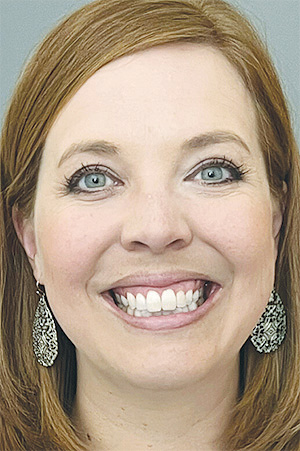
Sarah Gray is a communication specialist with Mesa County Public Health. For additional information, call (970) 248-6900 or visit mesacounty.us/public-health.

Naloxone kiosks are important investment in community added by Sarah Gray on
View all posts by Sarah Gray →