
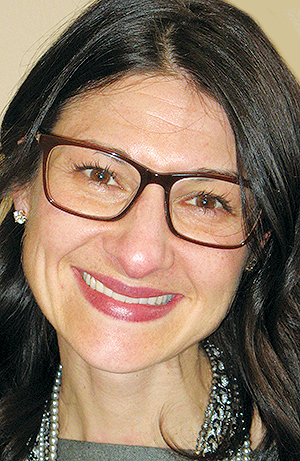
Phil Castle, The Business Times
While consumers tend to focus on the price of prescription medications, Dana Malick wants them to consider other aspects of the pharmaceutical industry.
Drug companies set what are called list prices for medications, but a number of factors related to a complex supply change affect what people pay for prescriptions at the pharmacy, said Malick, senior director of state policy for the Pharmaceutical Research and Manufacturers of America. The trade association represents 38 biopharmaceutical research and biotechnology companies.
What’s more, the industry assumes substantial risk in developing new drugs, Malick said, when only a fraction of medications ever make it to market.
Ultimately, when those medications do make it to market, the benefits can be profound, she said. “This industry is a machine when it comes to how we are saving lives, improving lives and giving people more years with their loved ones.”
Malick works on issues affecting the pharmaceutical industry in a Rocky Mountain region that includes Colorado as well as Kansas, New Mexico, Oklahoma, Utah and Wyoming. She recently came to Grand Junction to make a presentation to the health care committee of Club 20. She also discussed the industry in an interview with the Business Times.
The affordability of prescription drugs remains an issue, Malick said. But what many people don’t understand, she said, is that manufacturers play only one part in the price consumers pay.
Wholesalers and insurers also play a role, as do the pharmacy benefit managers that administer prescription drug plans and negotiate reimbursement rates for medications, she said. With consolidation, the three largest pharmacy benefit managers accumulatively handle about 70 percent of patients with pharmacy benefits, she said. That gives them power in negotiating contracts with drug companies — negotiations that remain confidential.
While drug companies offer lower prices and rebates to remain competitive, that savings isn’t always passed along to consumers, Malick said.
The price of drugs also reflects the investment and risk pharmaceutical companies take on in developing medications, she said.
It takes on average 10 to 15 years and $2.6 billion for a drug to make its way through the research and development process and gain approval from the U.S. Food and Drug Administration, Malick said.
Moreover, only 12 percent of investivative medicines entering clinical trials ultimately receive FDA approval, she added.
Prescription medications account for about 14 percent of all health care spending. But drugs also play a role in lowering that spending in reducing the costs associated with other treatments and hospitalizations, she said.
There’s potential for more savings from the increased use of medications to treat some conditions, she said.
In Colorado, more than 30 percent of Medicaid beneficiaries with diabetes don’t keep their blood glucose levels under control. With better control, Colorado would realize an estimated savings of $942 per person or a total of about $88 million.
Sensitive to the price consumers pay for prescription drugs, the industry is working to bring more transparency to the supply chain as well as consider ways to lower drug costs without increasing health insurance premiums, Malick said.
Other proposals would adjust the cost of medications based on the value their provide and offer refunds to individual patients if drugs aren’t effective for them, she said.
In addition to developing life-saving and disease-curing medications, the pharmaceutical industry provides a different kind of benefit in its economic contributions, Malick said.
In Colorado, the biopharmaceutical sector supports a total of nearly 57,000 direct and indirect jobs. The average annual wage of an employee working directly in the sector is nearly double that for statewide average, she said.
The biopharmaceutical sector produces goods and service valued at $13.7 billion and pays $869 million in state and federal taxes, she added.
For more information about the Pharmaceutical Research and Manufacturers of America, visit www.phrma.org.

Pharmaceutical group representative offers prescription for awareness added by Phil Castle on
View all posts by Phil Castle →