
Brandon Leuallen, The Business Times
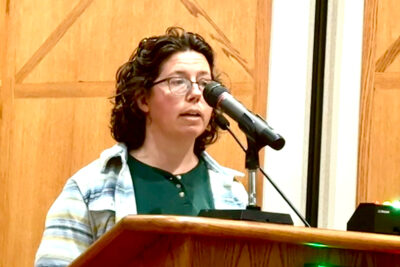
The Grand Junction City Council convened March 5 to participate in a second reading of proposed impact-fee increases, a topic that has sparked significant debate among council members, city staff and community stakeholders.
The meeting included public comments from a variety of residents, city advisory board members and industry representatives.
Community Development director Tamara Allen, provided an overview of the study and of some recently proposed concessions, including increasing the rollout timeline to three years and changing the calculations for transportation fees to represent the costs per mile prior to the new Transportation Engineering Design Standards completed in 2023.
The council members then shared their positions.
Mayor Abram Herman suggested that, in the interest of continued collaboration and compromise, the ordinance be returned to a first reading, with a second reading to occur at a later date.
This was followed by a public-comment session with 21 speakers voicing their opinions. Of these, three supported the fee increases as currently proposed or suggested they should be higher, citing the need for sustainable infrastructure funding.
Two speakers proposed minor changes to the methodology, and the remaining speakers urged the council to consider further decreases, extended rollout timelines or the removal of the fees altogether, raising concerns about housing affordability and the broader economic impact.
Keith Ehlers, a former planning commission member, strongly criticized the city for causing part of its own need for increased funds, particularly after participating in recent updates to transportation and parks and recreation regulations.
“This is what we get when we allow policy changes and policymaking to happen with an explicit denial of consideration for the costs of what we’re implementing,” Ehlers said. “It was not allowed for any of us on stakeholder groups or anything to talk about costs or what alternatives could impact costs, because we’ll figure out how to pay for it later.”
Resident Donald Hunger questioned the broader implications of the fee increases.
“Why is the city increasing fees and regulations consistently on market-rate houses while fast-tracking subsidized housing?” Hunger asked, advocating for a focus on homeownership as a means of building wealth.
Nancy Strippel, chair of the Parks and Recreation Advisory Board, emphasized the importance of implementing the originally recommended impact fees, saying, “These numbers were derived with great care.”
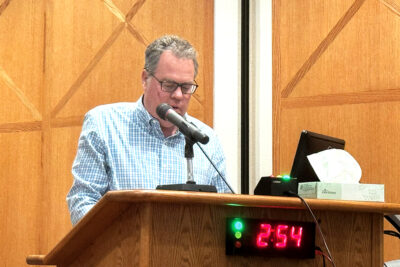
She warned against lowering fees, arguing, “It doesn’t make Grand Junction a more affordable place to live to not use the… impact fees. It just shifts who’s paying.”
She highlighted the consideration of park resources in the study process, saying, “The parks staff went through and enumerated everything we had.”
Stripple added that not implementing the fees would mean compromising the current quality of life or raising taxes on existing residents to accommodate new community members.
Cindy Ficklin, a Realtor with Coldwell Banker Distinctive Properties, expressed concern about the challenges faced by first-time homebuyers.
“I work very hard to get my clients to the finish line, but if you continue to move the finish line out and out and out, eventually they won’t be able to reach it,” she said. “If that happens, they become renters again for another four years while home prices increase, and they’ve missed out on generational wealth.”
Candace Carnahan, president of the Grand Junction Area Chamber of Commerce, acknowledged the efforts made to address concerns about the fee increases.
“Thank you to staff for deep diving into that and really looking at how we could use previously used methods,” Carnahan said, appreciating the compromise that led to a reduced increase in commercial fees.
However, she also highlighted the ongoing challenge of workforce housing, urging continued collaboration and an extended rollout of new fee increases.
After public comment, Councilmember Dennis Simpson, who is nearing the end of his term, urged the council to consider alternative funding sources, and he suggested the city explore budget cuts to offset the need for increased fees.
Herman then rattled off a list of what he considered inaccuracies from speakers from the audience.
Councilmember Cody Kennedy motioned to move to a second reading with an amendment to extend the rollout period to five years instead of three. Simpson seconded the motion, but the other four council members in attendance did not approve it. Kennedy then submitted a motion for a three-year rollout, with the understanding that he would continue to pursue the five-year rollout in future readings. The council decided to proceed with a first reading of the ordinance.
The council is scheduled to revisit the issue April 2, allowing time for additional analysis and public input before the second reading.

GJ City Council considers impact-fee consequences added by The Business Times Staff on
View all posts by The Business Times Staff →