

Plans call for Colorado to shut down coal plants, reduce reliance on natural gas
Brandon Leuallen, The Business Times
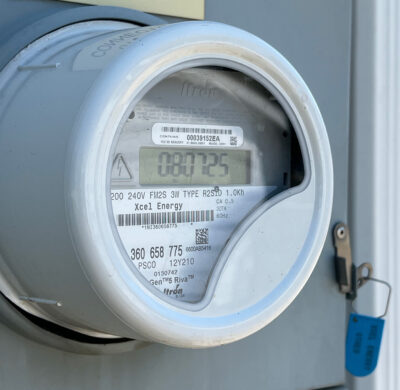
Colorado is in the midst of a sweeping transformation of its energy system. The state is shutting down coal plants, reducing its reliance on natural gas in homes and businesses, and increasing reliance on electricity.
The shift is guided in part by the state’s “Just Transition Action Plan,” which seeks to replace fossil-fuel generation with cleaner resources while supporting affected communities and workers. The 2019 “Just Transition Action Plan” requires coal-dependent communities and workers to receive assistance as plants close, according to House Bill 19-1314 (signed May 28, 2019).
Xcel Energy’s proposed investment plan, now before the Colorado Public Utilities Commission (PUC), would set both a minimum and maximum spending level for new power generation and infrastructure. Xcel has submitted a plan requesting what it deems enough energy to meet the demands of grid reliability with increased electricity in homes, EVs and large projects such as data centers, according to Xcel’s Dec. 19, 2024, news release.
The debate over that request unfolded at a recent PUC meeting.
Commissioners weighed the state’s clean-energy goals against concerns about affordability and the risk of overbuilding.
Transition: Coal out, natural gas reduced
The state’s Greenhouse Gas Pollution Reduction Roadmap 2.0 outlines how Colorado will attempt to reach a 65 percent emissions cut by 2035, 75 percent by 2040, 90 percent by 2045, and full net-zero by 2050, according to the Colorado Energy Office (updated February 2023).
That roadmap includes the retirement of all coal-fired generation by 2031 and an aggressive buildout of renewable energy and transmission lines.
According to the U.S. Energy Information Administration (July 2023) and the Colorado Just Transition Office annual report, the Hayden and Craig coal plants will close in 2028. Pueblo’s Comanche 3 unit will shut down no later than 2031. Other coal retirements will eliminate roughly 2,500 megawatts of capacity statewide by the end of the decade.
The PUC hearing
In the Department of Regulatory Agencies’ Public Hearing Room A, commissioners discussed Xcel’s proposal.
Xcel points to what it calls a “once-in-a-century” surge in electricity demand from electric vehicles, building electrification and industrial users.
Commissioner Megan Gilman focused on increasing the use of load management. She emphasized the role of managed loads, programs that coordinate when electricity is used, especially for high-demand applications like EV charging, as a way to reduce the need for much of the costly new infrastructure.
“The whole game is being far more ambitious about how controllable those loads are and how proactively we go after that,” Gilman said.
After building is done Xcel will come back to the PUC and discuss the final costs and rates.
PUC Chairman Eric Blank voiced concerns about overbuilding, saying, “If the company goes forward and builds billions of dollars in new generation, and the projected electricity demand from things like data centers doesn’t appear … customers … are likely to be paying high rates” compared with neighboring states.
In its Dec. 19, 2024, news release, Xcel said deferring projects until demand is fully realized could lead to “construction delays, cost escalation and missed opportunities” to meet economic development needs.
Economic concerns
According to a CBS News Colorado report (Jan. 28, 2025), municipal officials and business leaders told the PUC that failing to approve Xcel’s proposed expansion could slow economic growth, make it harder to attract new businesses and jeopardize existing employers who depend on reliable power.
They argued the state’s push for electrification covering homes, vehicles and industries requires significant infrastructure investment to avoid service delays or capacity shortages that could deter large projects from locating in Colorado.
In the report, Heigh Williams, the executive director of the Metro Mayors Caucus, said, “I did have a couple of mayors who said, ‘Look, we have projects ready to go, but Xcel can’t power these projects right now, because we don’t have the electrical capacity to do that.’”
Large loads and reliability risks
A sticking point in the hearing was whether to include unconfirmed large loads, such as proposed data centers, in Xcel’s official demand forecast. Commissioners warned if those projects do not materialize, customers could be left paying for unused infrastructure.
Blank added high electricity costs could undermine the state’s climate policies.
“If electricity costs are higher than appear to other state priorities… the state’s emissions goals become harder to achieve.”
No decision was made at the hearing. The next weekly meeting will be Wednesday, Aug. 20, at 9 a.m.
The commission accepts in-person and virtual public comment during the second weekly meeting of the month (i.e., the second Wednesday). The PUC holds formal meetings at 9 a.m. every Wednesday of the month, except for holidays.
More About Public Utilities Commission
Why the PUC Has Authority
According to CRS 40-3-102, the Colorado Public Utilities Commission has “full power of supervision, regulation and control” over investor-owned utilities like Xcel Energy.
Under CRS 40-5-101, utilities must obtain a certificate of public convenience and necessity before building or expanding facilities. This gives the PUC authority to approve, reject or modify those plans, including setting spending limits.
How Commissioners Are Chosen
Under CRS 40-2-101, the three commissioners are appointed by the governor with state senate’s consent, with no more than two from the same political party. All current commissioners were appointed by Gov. Jared Polis.

PUC weighs Xcel investment plan added by The Business Times Staff on
View all posts by The Business Times Staff →