
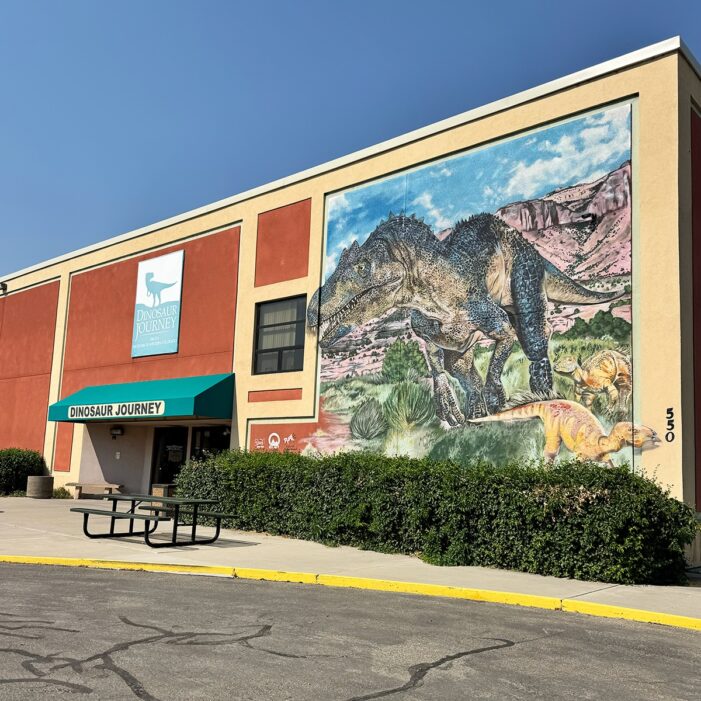
The Museums of Western Colorado plans to reduce its three locations to one, creating a combined, multidisciplinary natural history museum campus in Fruita, where Dinosaur Journey currently resides.
Museum of the West will move from its downtown Grand Junction location to the Fruita site throughout 2027, and Cross Orchards Historic Site in Fruitvale will conclude its public operations in 2027, the Museums of Western Colorado said in a news release.
Deeming the changes a revitalization, Museums of Western Colorado said it is designed to “strengthen the museum’s long-term sustainability, expand educational opportunities, improve stewardship of its collections and create a destination unlike any other in the Rocky Mountain West.”
The news release said the board’s vision is to create a destination that celebrates the interconnected story of the Colorado Plateau, from deep time and dinosaurs to indigenous cultures, early settlement, agriculture, water, industry and the communities that continue to shape Western Colorado.
By bringing these stories together on one campus, Museums of Western Colorado aims to strengthen education, scientific research, tourism and community engagement while creating a lasting resource for future generations.
According to the news release, the Museums of Western Colorado Board of Directors on Aug. 1 unanimously approved, with two abstentions due to conflicts of interest, the long-term revitalization plan. The decision follows more than a year of strategic planning, facility analysis, financial evaluation, stakeholder engagement and board discussion.
“The board’s responsibility was not simply to evaluate buildings,” said Christina Harney, president of the Museums of Western Colorado board. “Our responsibility was to determine which direction best advances our mission, creates the greatest long-term impact for our community throughout the Colorado Plateau and provides a responsible path toward a sustainable future. We believe this decision positions the museums to do exactly that.”
The news release said the board selected the Fruita campus, because it provides the strongest opportunity to:
- Advance the Museums of Western Colorado’s mission of inspiring and connecting the community by championing the scientific and cultural heritage of the Colorado Plateau.
- Create a combined, multi-disciplinary natural history museum campus that brings together paleontology, history, geology, archaeology, anthropology and education in one destination.
- Increase community impact through expanded educational opportunities, enhanced visitor experiences, improved accessibility and stronger stewardship of the museums’ collections.
- Position Museums of Western Colorado for long-term financial sustainability by focusing resources where they can have the greatest lasting impact.
- Move forward through a thoughtful, phased approach supported by continued planning, fundraising, partnerships and community engagement.
“This decision is about much more than a location,” Museums of Western Colorado Executive Director Shenna Hayden said. “By selecting a clear direction, we can now move confidently into a healthy future for the museums of Western Colorado by continuing to engage our region, refine our vision, utilize resources sustainably and build the partnerships needed to bring it to life.”
According to the news release, the Aug. 1 vote establishes the strategic direction for the Museum Revitalization Initiative and marks the beginning of the next phase of planning.
The first visible step in this vision has begun. Museums of Western Colorado is working with community partners to bring a full-scale brachiosaurus to the Grand Junction Regional Airport. The installation will welcome visitors to the region, celebrate Western Colorado’s extraordinary paleontological heritage and serve as a gateway to the Museum Revitalization Initiative and the future combined natural history museum campus.
Over the coming months, the news release said, Museums of Western Colorado will:
- Refine architectural concepts and facility planning.
- Complete additional feasibility studies and detailed construction cost estimates.
- Continue developing exhibits and educational programming that integrate the museums’ scientific and cultural collections.
- Expand conversations with community, education, tourism and museum partners.
The revitalization initiative will be implemented over approximately 13 years through a phased approach that allows the museums to continue serving the community while responsibly planning for the future.
“This decision gives us something we’ve needed for a long time: a clear direction,” Hayden said. “The work ahead will focus on thoughtful planning, collaboration and wise stewardship of our resources as we build a museum that better serves our community and celebrates the extraordinary stories of the Colorado Plateau.”
For updates on the Museum Revitalization Initiative, visit MuseumsofWesternCo.org or follow Museums of Western Colorado on social media.

Museums of Western Colorado plan for combined natural history museum added by The Business Times Staff on
View all posts by The Business Times Staff →