
Brandon Leuallen. The Business Times
For some visitors, a hunting trip to Mesa County begins with a guide and ends with a stop at a meat processor. For others, a day of fishing on Grand Mesa includes a container of live bait, fuel and a meal on the way home.
Those purchases spread the economic effects of hunting and fishing well beyond the businesses that directly serve sportsmen.
The Western Slope draws hunters and anglers from across the country, while many Mesa County residents hunt and fish as part of their way of life.
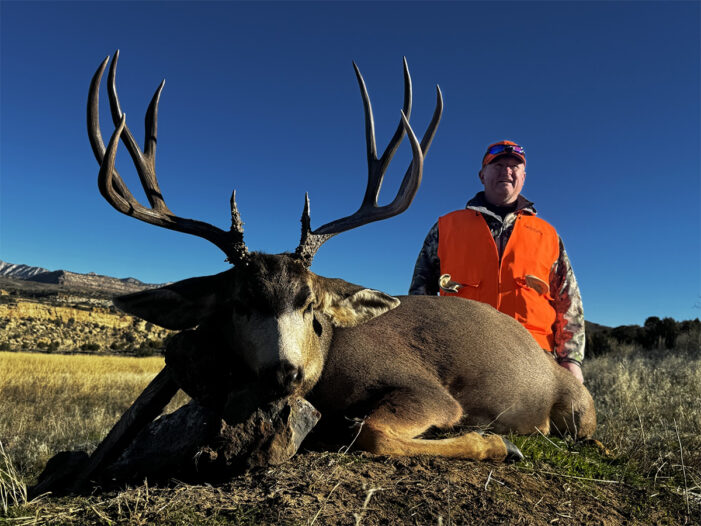
Grand Mesa’s lakes offer open-water fishing during warmer months and ice fishing in winter. Elk, mule deer, moose, turkey, mountain lion and bear hunters visit several local game-management units, including Unit 40, a trophy elk and mule deer unit where bull-elk licenses are awarded through a draw. Their spending reaches guides, retailers, lodging properties, restaurants, landowners and small stores along the routes to public lands.
A September Common Sense Institute study estimated that hunting and fishing generate more than $2.4 billion in direct annual business revenue across Colorado. That statewide figure prompted a closer look at where the spending goes in Mesa County, from guided hunts and sporting goods to bait, food and lodging.
Statewide impact, local spending
The institute also estimated hunting and fishing support 14,766 direct jobs statewide. When it included the broader effects of that activity moving through the economy, its estimate rose to more than $6.1 billion in business revenue and more than 25,000 jobs.
Jason McMillan, owner of GuideWest Outfitters in the town of Mesa, sees the visitor side of that activity firsthand. He took over an established outfitting business in 2022 after working there for 17 years as its head guide. Knowing the clientele made the transition relatively straightforward, he said.
His hunters come from around Colorado and across the country. Asked to name the places he sees most often, McMillan cited Wisconsin, Pennsylvania, Texas, upstate New York and several Southern states. Many travel to western Colorado for elk hunting opportunities they cannot easily find at home, he said.
McMillan provides jobs for locals during the season. Depending on the number of clients and the type of hunt, McMillan said he works with two or three guides at a time or as many as seven. His business also leases hunting ground.
Visitors spend money in nearby communities, he said, even when the hunt itself takes place away from town.
“We’re definitely bringing money in the community between the leases and the local little restaurants and gas stations,” McMillan said. “These people spend a lot of money, you know, to be here.”
The purchases can continue after a successful hunt. McMillan said his business uses meat processors in Grand Junction and taxidermists in the region. A guided hunt can generate work for several businesses that a visitor may never have considered when booking the trip.
For some clients, the connection to the area lasts longer than the hunt. McMillan said brothers from Pennsylvania who have hunted with him for years have begun buying parcels of land nearby. Other visitors talk about moving to the region, he said.
McMillan guides around the town of Mesa, near Powderhorn Mountain Resort and in other parts of the region. He also holds permits in Game Management Unit 40, west of Grand Junction near the Colorado National Monument. McMillan described Unit 40 as a sought-after draw area for elk and mule deer that attracts hunters who have built up preference points. It is a different hunting area from Grand Mesa, giving his business access to clients pursuing different kinds of hunts.
Colorado residents are part of his customer base, too. McMillan said some seek a hunt focused on bringing home meat, while others have waited years for a particular trophy license. His customers include people willing to travel a long distance for a hunt and residents spending money close to home.
A stop on the way to Grand Mesa
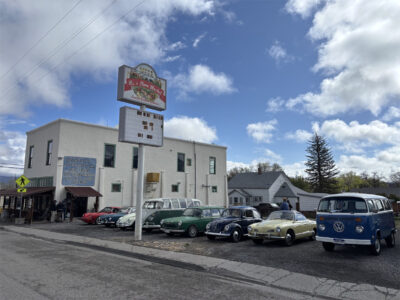
Mesa Bloom Market sees another side of those trips. The store sits along Colorado Highway 65 in the town of Mesa, on the way to Powderhorn Mountain Resort and the Mesa Lakes area. Co-owner Steve Grisier said the market opened in late May 2020. It sells everyday essentials alongside local products, fishing supplies and live bait.
During the summer, Grisier sees devoted anglers as well as families heading up for a day outside. Some customers come from the Front Range for a weekend, but many live much closer.
“A lot of the ‘tourists’ are really from Junction,” Grisier said.
The market sells considerable amounts of live bait during the summer, he said, and customers regularly ask where they should fish. Some are headed toward the lakes on top of the mesa; others fish elsewhere in the area.
Grand Mesa offers a substantial range of waters, although the number of lakes does not equal the number of trout fisheries. The U.S. Forest Service counts about 300 lakes and reservoirs on the mesa’s benches and top. Roughly one-third provide habitat capable of sustaining trout, according to an agency fishing brochure. Some fishing sites are close to Highway 65, while other waters require a trip down a smaller road or a hike.
In winter, ice fishing brings customers through Mesa Bloom Market, as Grisier said, “There’s quite a few people from Junction and the local area that go ice fishing, too.”
Anglers can also make an overnight trip of it: Grand Mesa Lodge rents cabins beside Island Lake, and Mesa Lakes Lodge offers cabins near several lakes. Snowmobiles and cross-country skis provide access to other parts of the mesa when snow limits road travel.
For Grisier, fishing is part of a broader pattern that keeps visitors moving through Mesa in different seasons. Summer is especially busy, because customers are headed out to fish and pursue other outdoor activities. Fall colors can produce some of the store’s busiest weekends, with hunting season overlapping that traffic. Business slows during muddy periods when recreation becomes harder and some access gates close, he said, before winter recreation picks up.
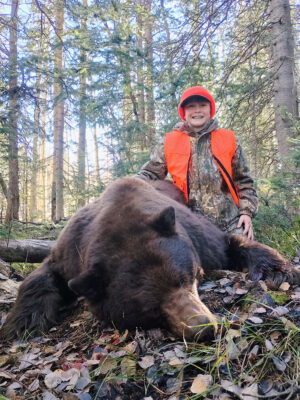
Hunters make different purchases from most short-trip anglers. Grisier said groups often arrive prepared to spend several days outdoors, but they still stop for snacks, food or steaks for a meal at camp. Successful hunters buy ice to cool their game. Some invite market employees outside to see the animal they brought down from the mountain.
“That’s pretty fun,” Grisier said.
He also enjoys seeing young hunters come in excited about their first successful hunt.
At the end of their trip other hunters purchase jewelry or locally made keepsakes to take home, as Grisier said, “A lot of people come in to buy some gifts as they’re leaving town from hunting.”
He recognizes some visitors from previous years and sees guides bring returning clients through the store.
Measuring the local economy
A hunter’s payment to a guide is only one part of the trip’s economic impact. Lodging, meals, fuel and equipment purchases spread the spending across businesses that may have little to do with hunting at first glance.
While there is not a specific study available, calculating the exact economic impact of fishing and hunting in Mesa County, a Colorado Mesa University study, using 2019 data and published in 2022, estimated outdoor recreation of all kinds contributed $321.6 million directly to Mesa County’s gross domestic product and supported 7,620 direct jobs.
The 2026 Western Slope Agriculture Report, produced by the university and the Grand Junction Business Incubator Center, found another connection: Some agricultural producers reported earning income through big-game hunting and outfitting. McMillan’s land leases are an example of how that money reaches landowners.
Grand Junction benefits when hunters and anglers buy gear at businesses such as Western Anglers Fly Shop, Sportsman’s Warehouse and Bass Pro Shops. According to the city’s 2026 budget information, 2 percentage points of its 3.39 percent sales tax go to the general fund. Grocery food is exempt, but taxable equipment purchases count, including qualifying online orders delivered within city limits.
McMillan and Grisier show how that spending reaches guides, landowners, stores and other businesses along the way.

Economic impact goes beyond the trail added by The Business Times Staff on
View all posts by The Business Times Staff →